
Most of our work is about matching the right machine to a difficult material. So when our manufacturing partner Binder+Co invited us to see how their screens are built and tested, we took the chance to get up close to the equipment we put in front of clients every week.
It is one thing to read a spec sheet. It is another to stand next to a screen on the build floor, watch the test decks run, and see the separated product come out of the other end. Here is some of what we saw.
On the build floor
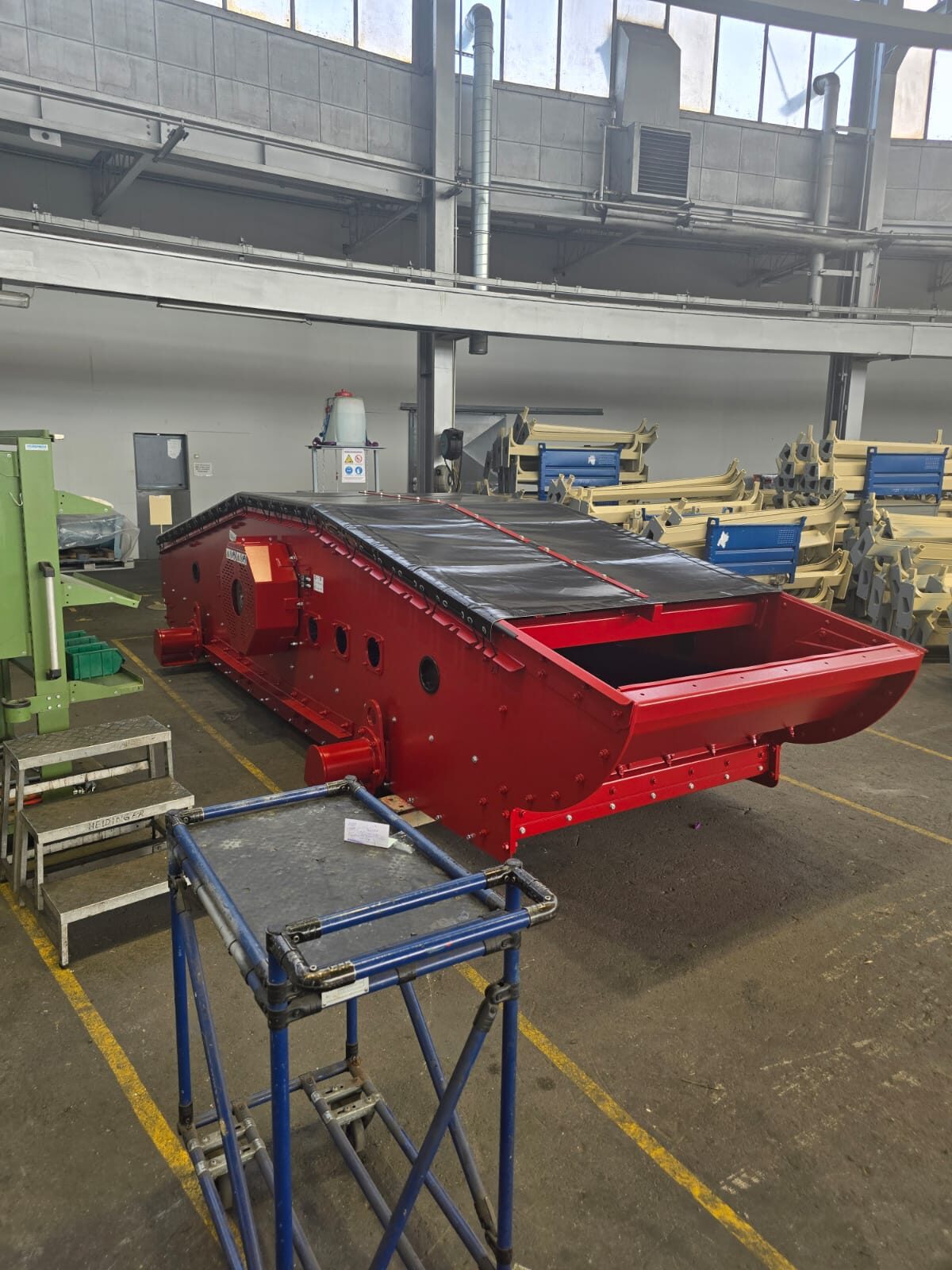
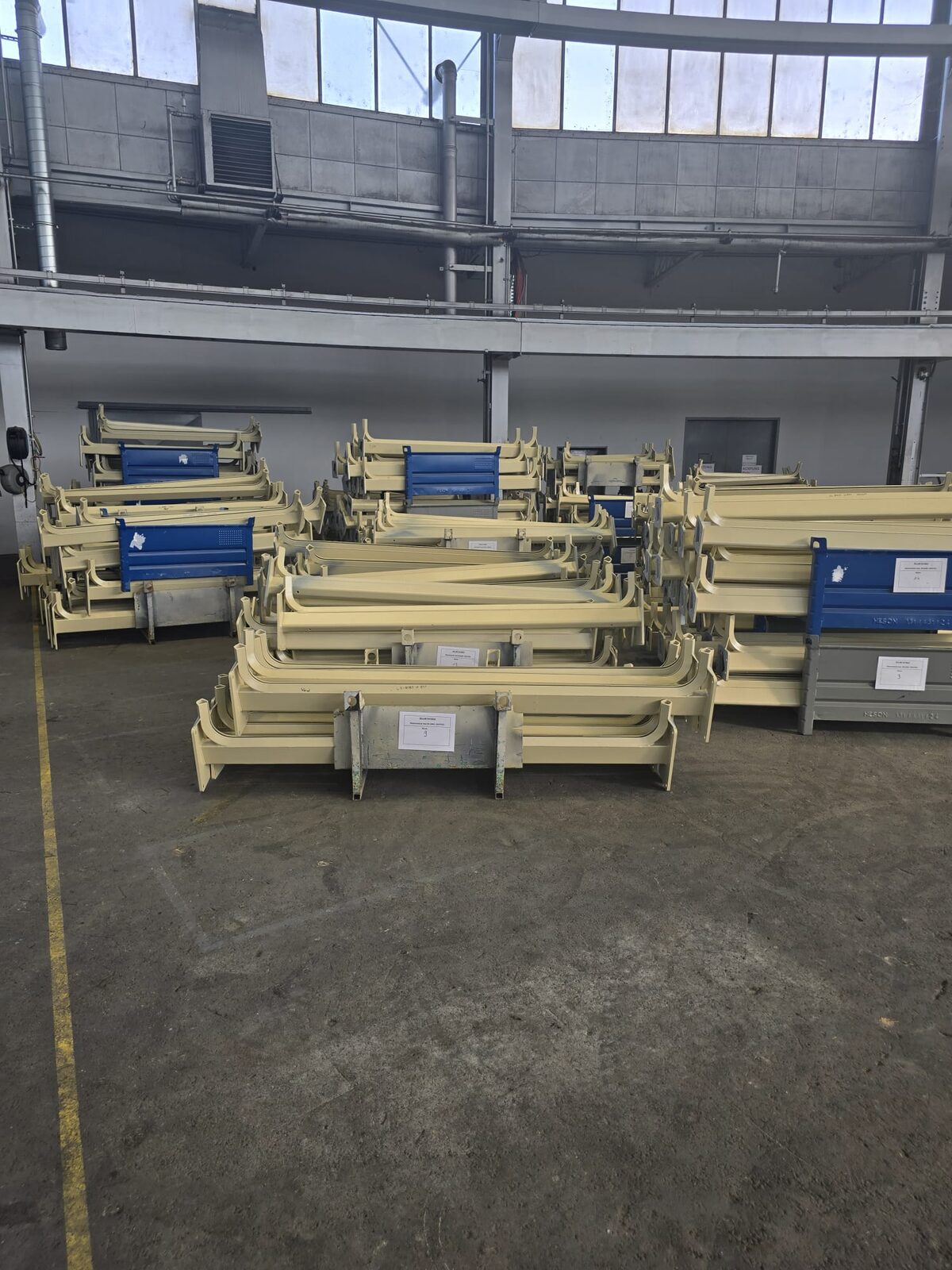
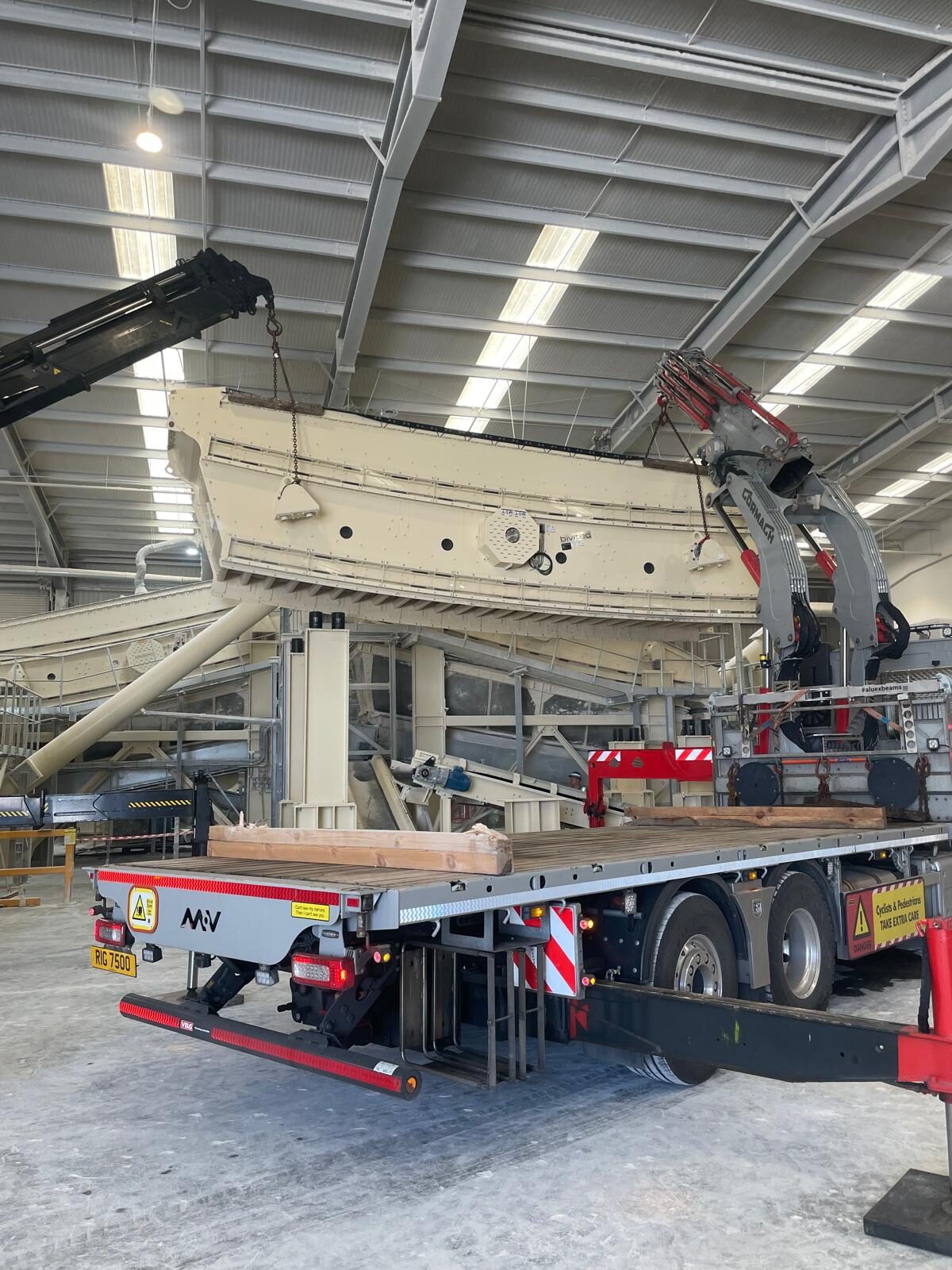
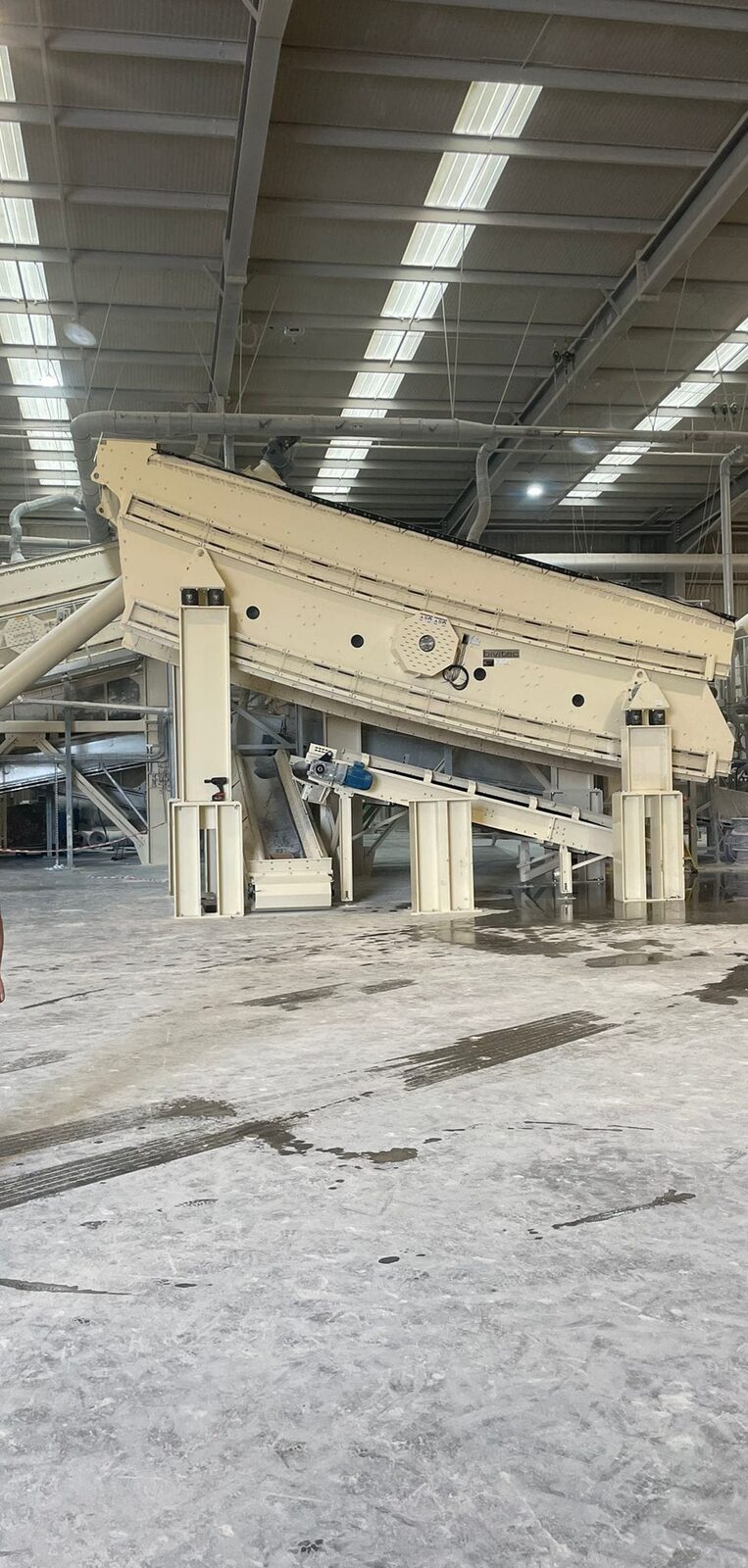
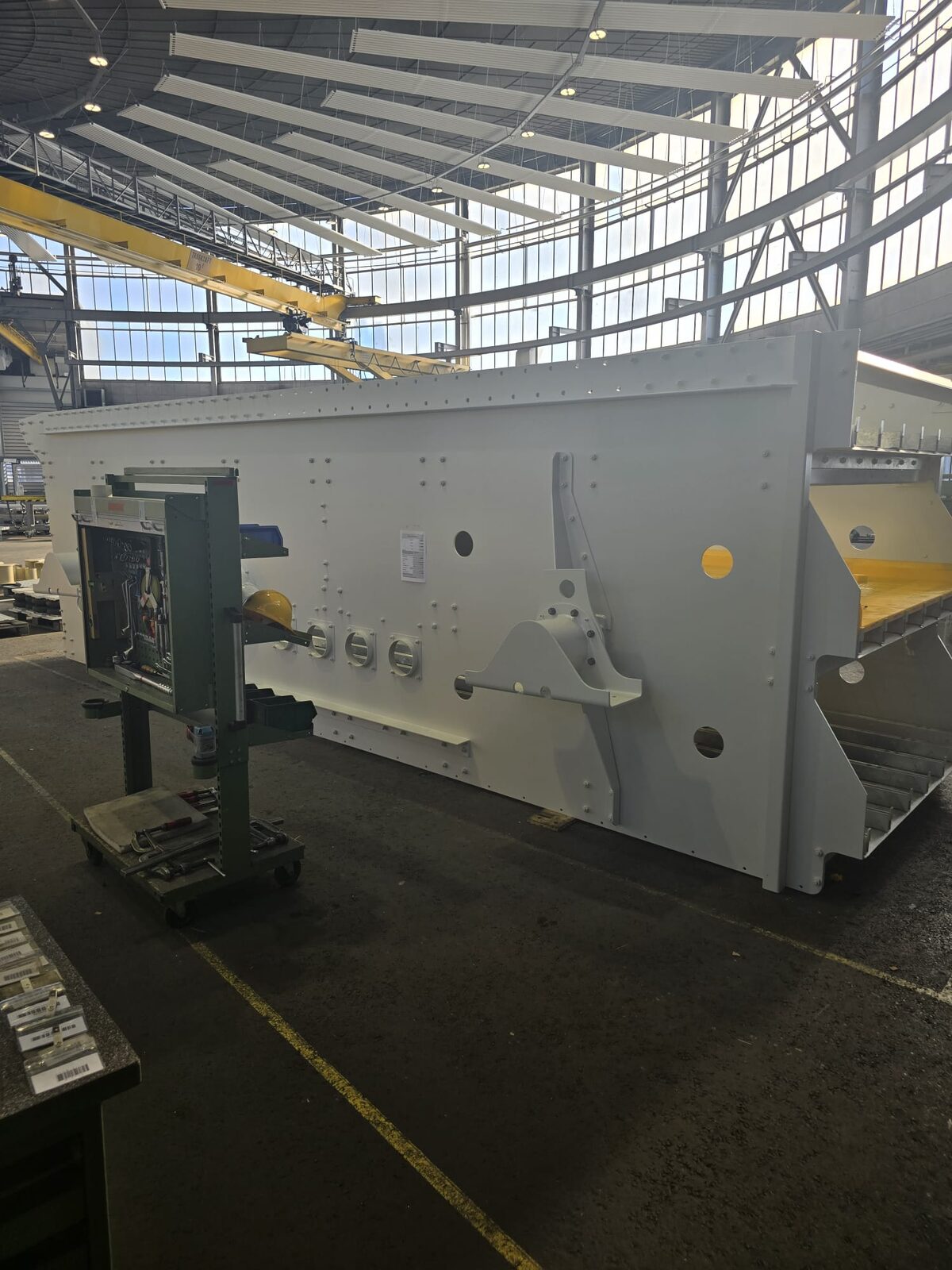
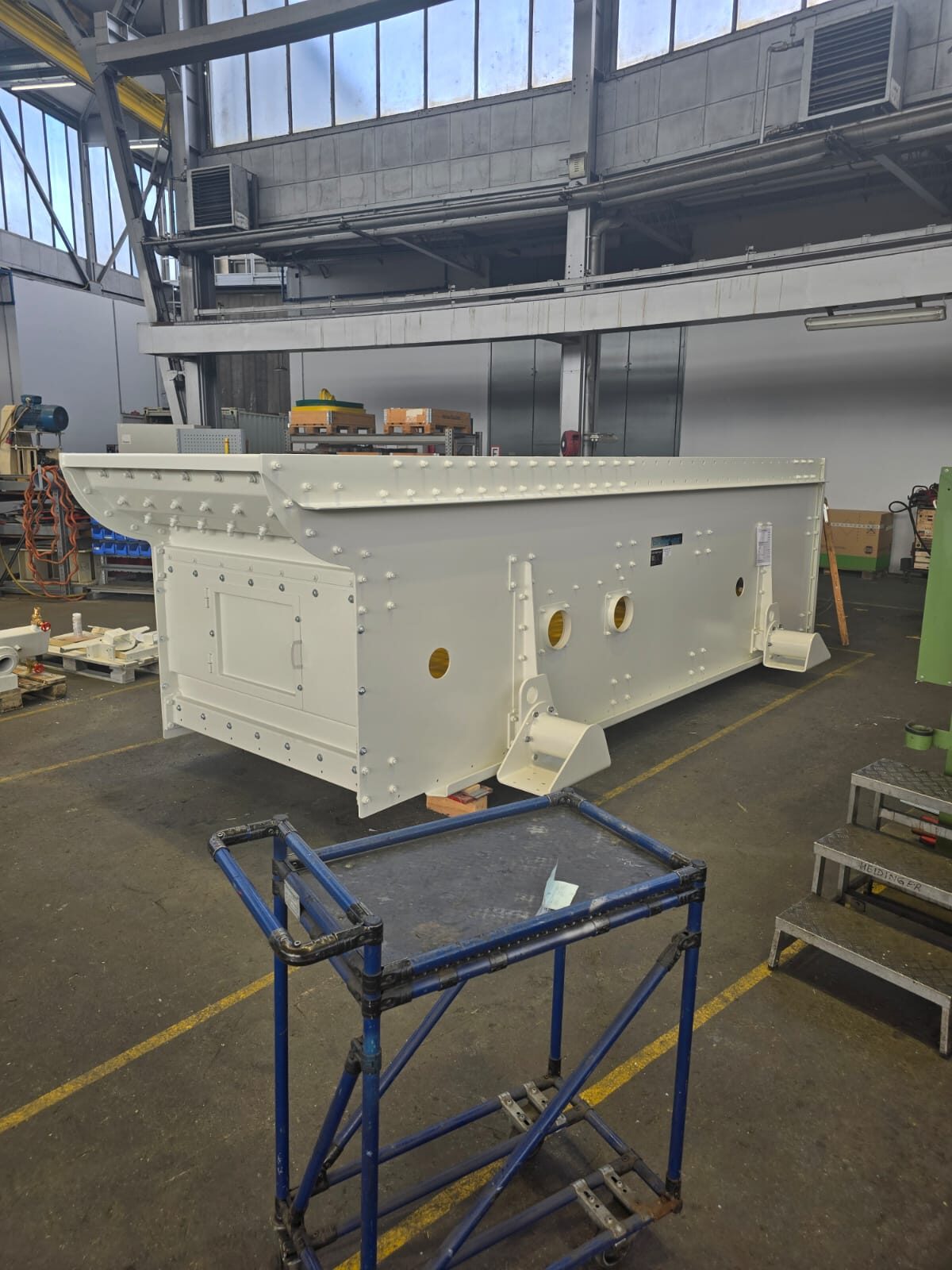
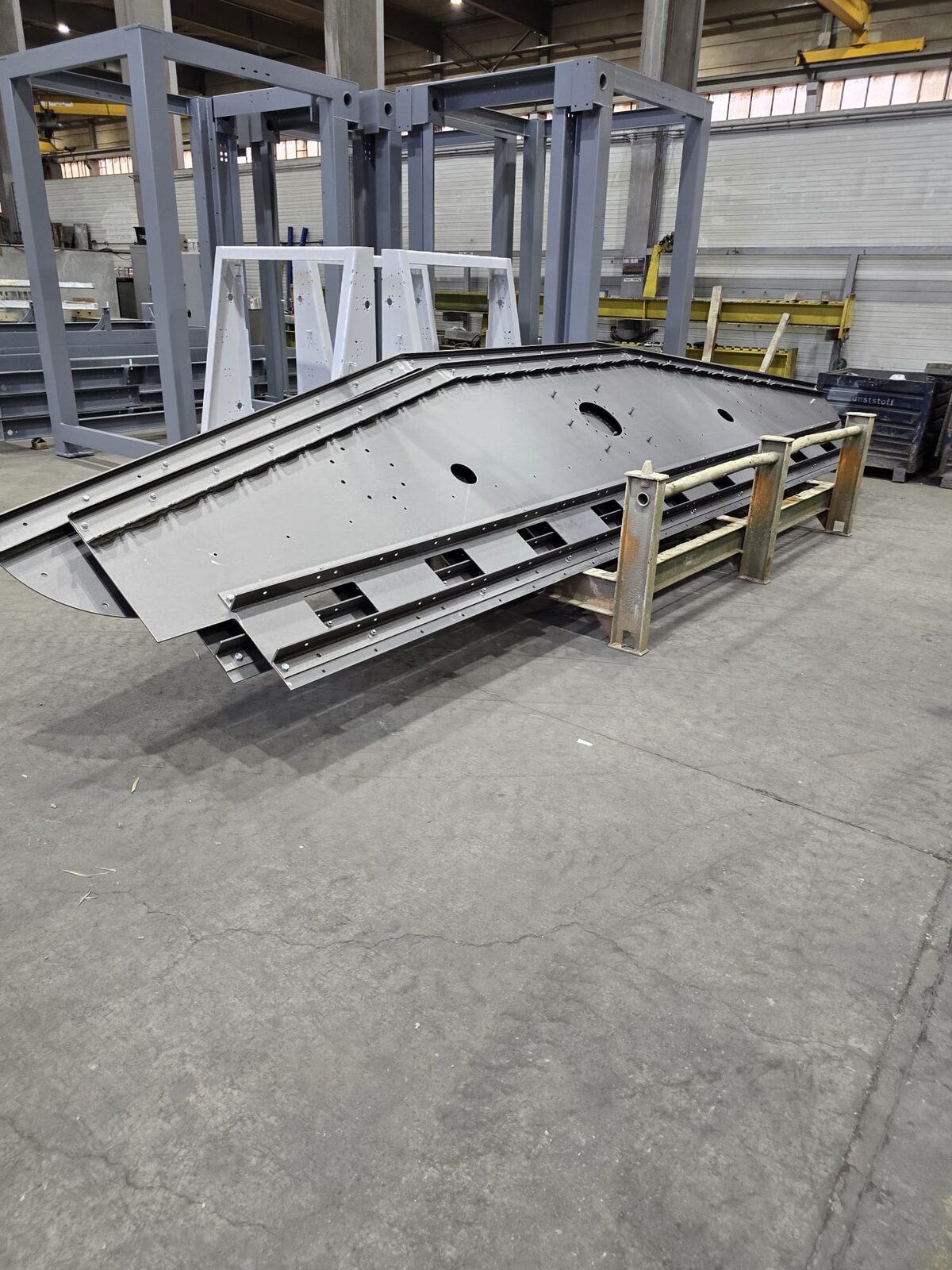
The screens start as fabricated steel bodies, riveted and bolted rather than welded into one piece, which is part of how they survive years of high-intensity vibration. We saw machines at every stage: bare frames, painted bodies, and finished screens up on their mounts ready for test.
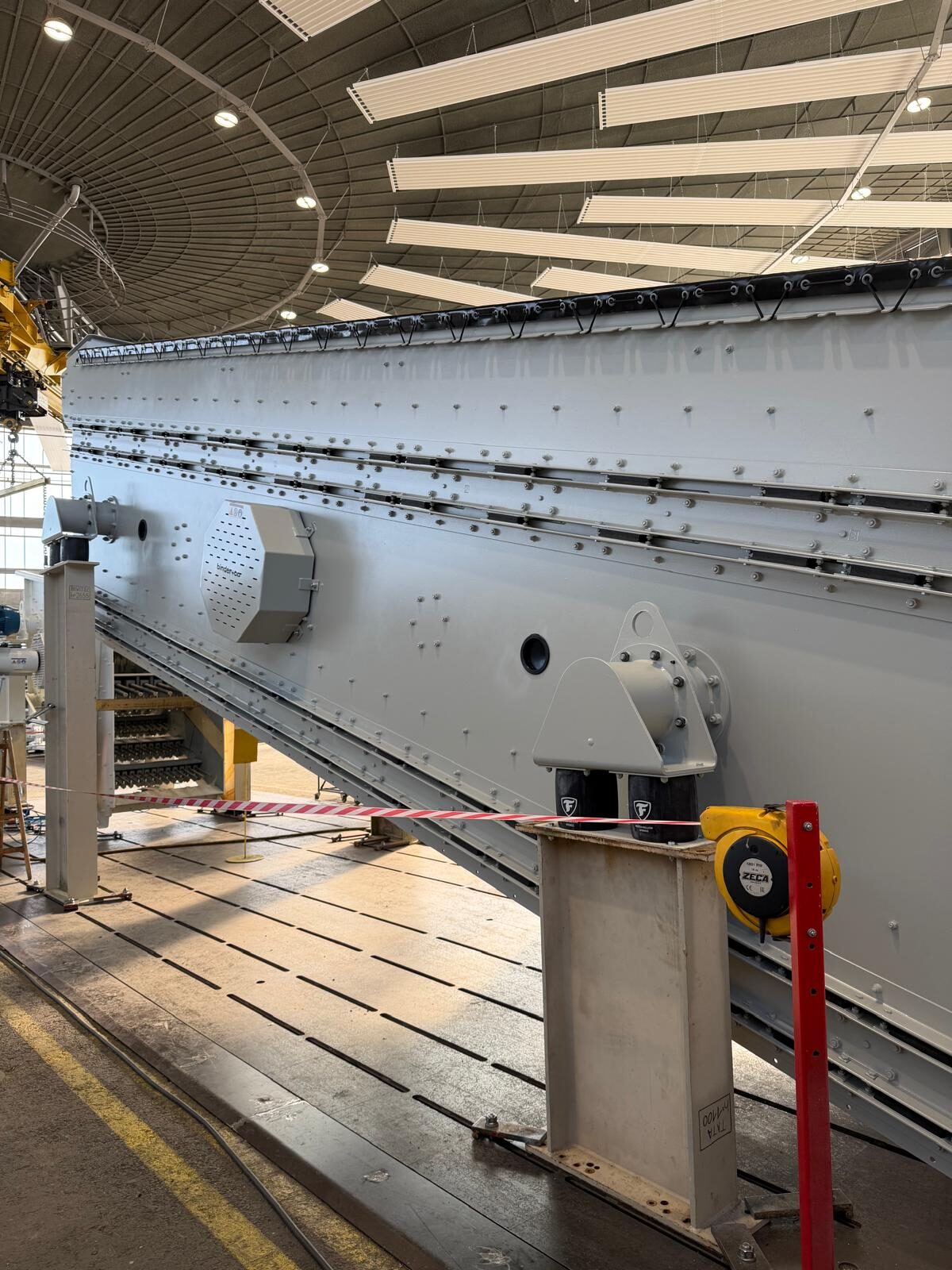
What stands out in person is the scale. Some of these screens are the length of a lorry, and every one is built to the spec of the job it is going to, not pulled off a shelf.
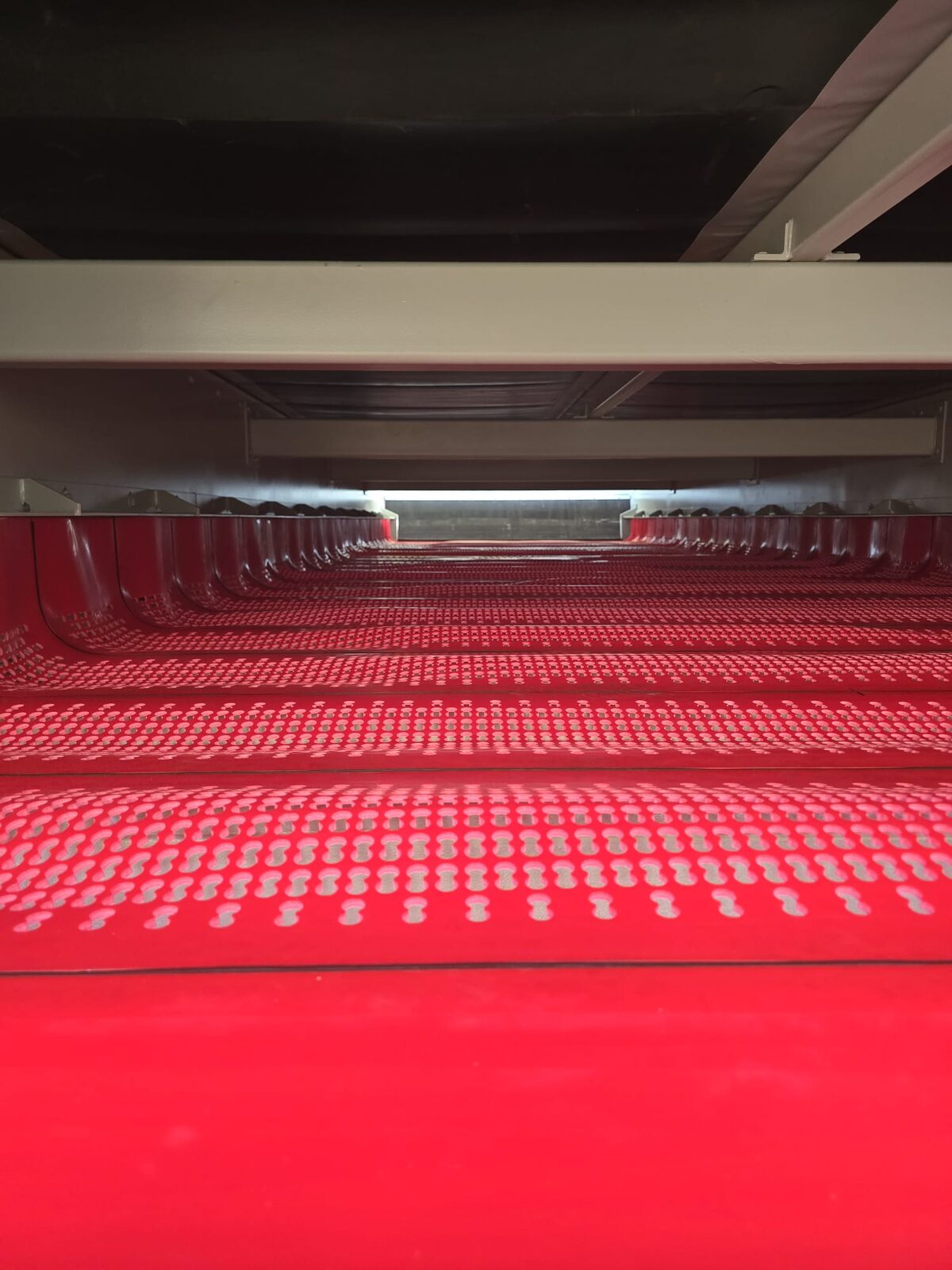
The flip-flow deck up close
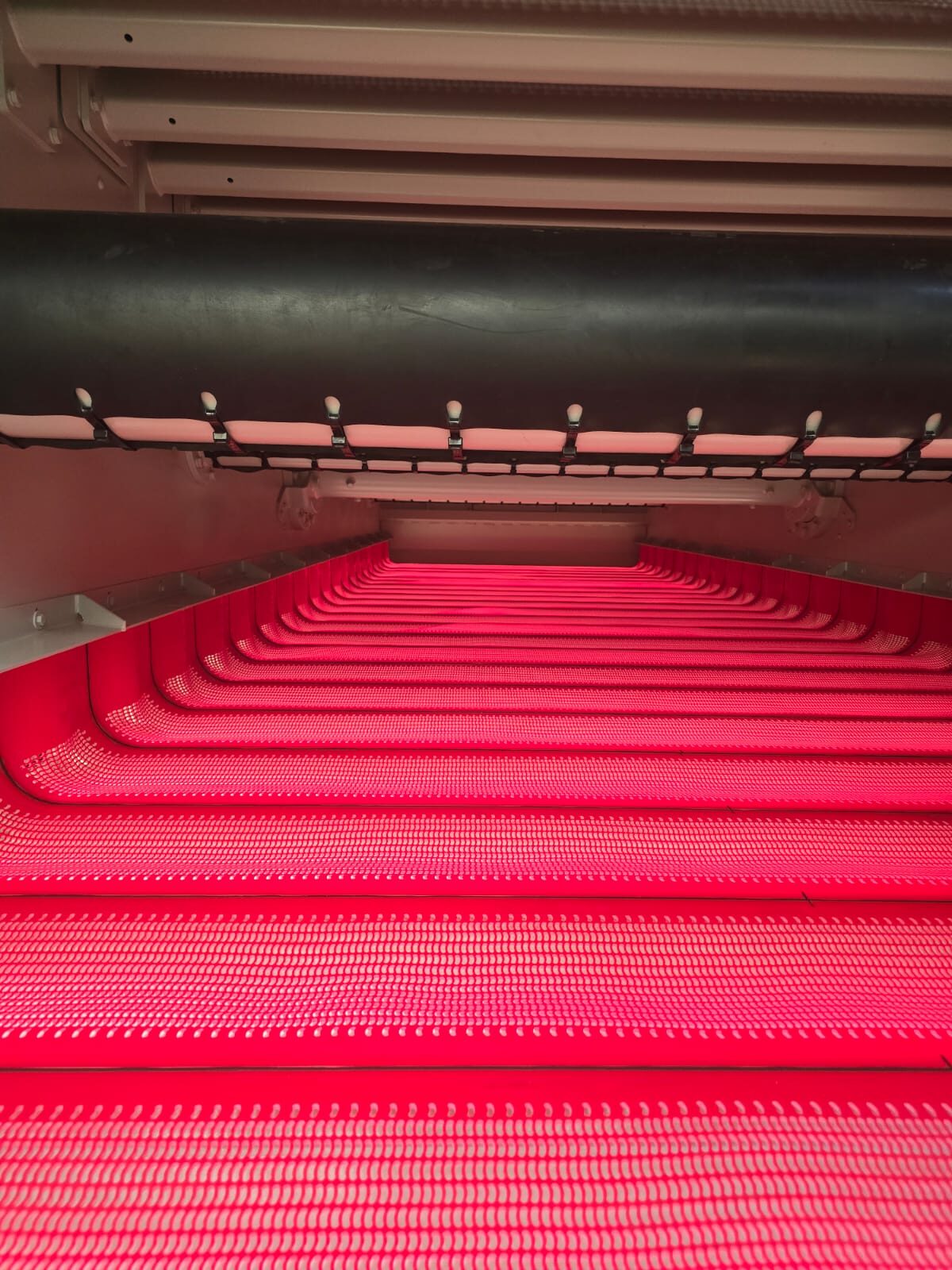
The machine we reach for most, the BIVITEC flip-flow screen, earns its keep on damp, sticky and near-size material that blinds an ordinary deck. Seeing the decks on the test floor makes the reason obvious.
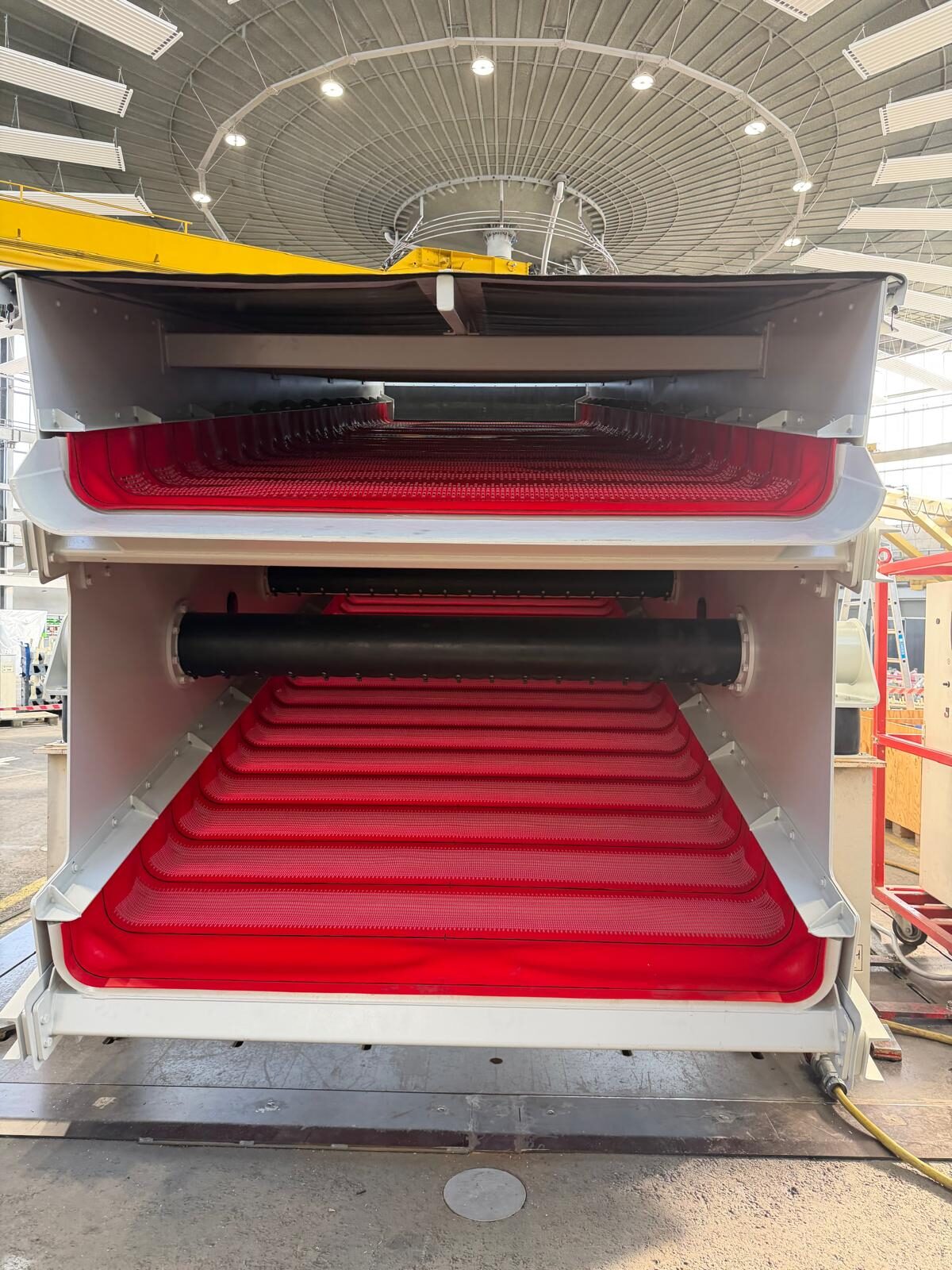
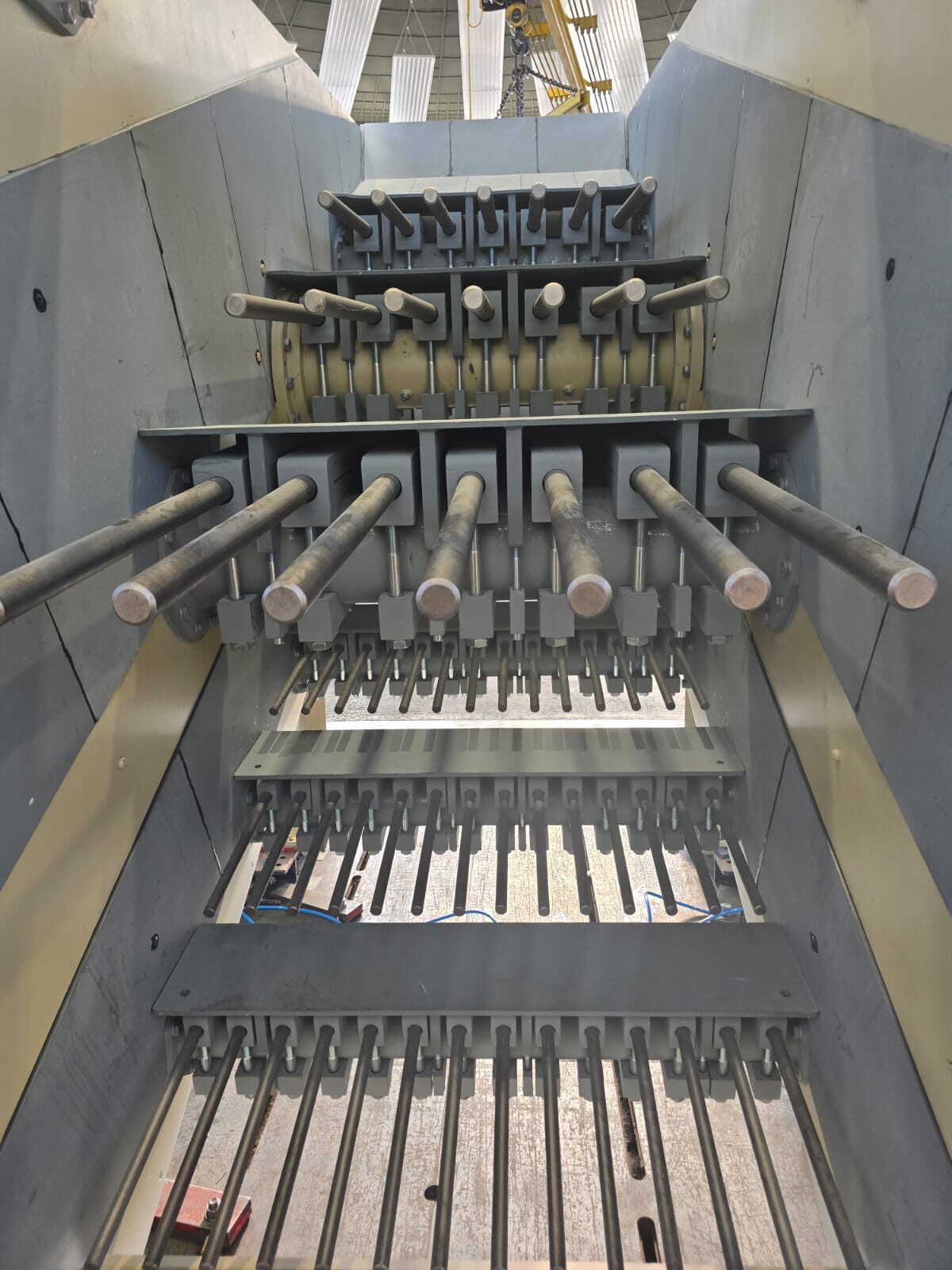
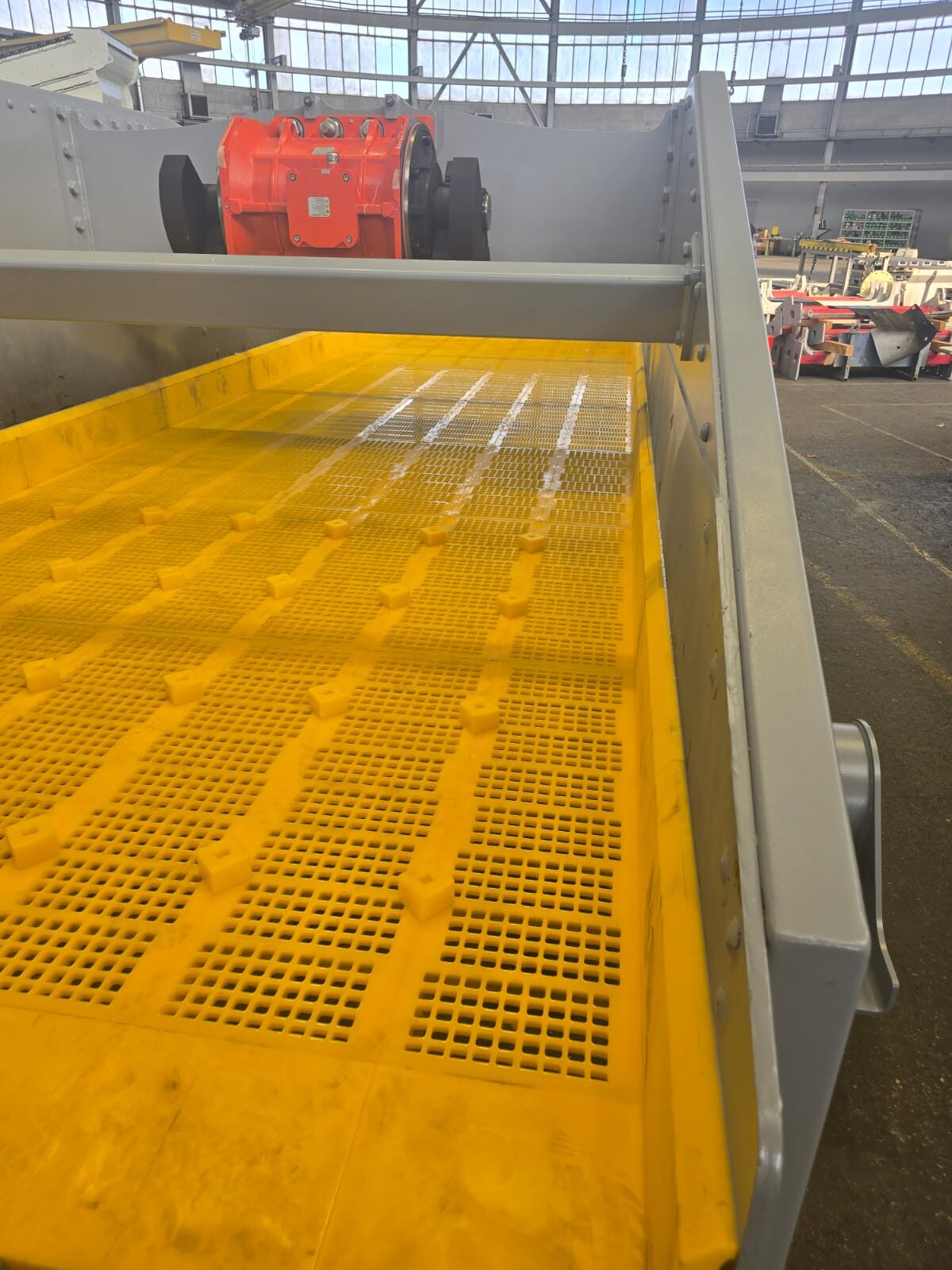
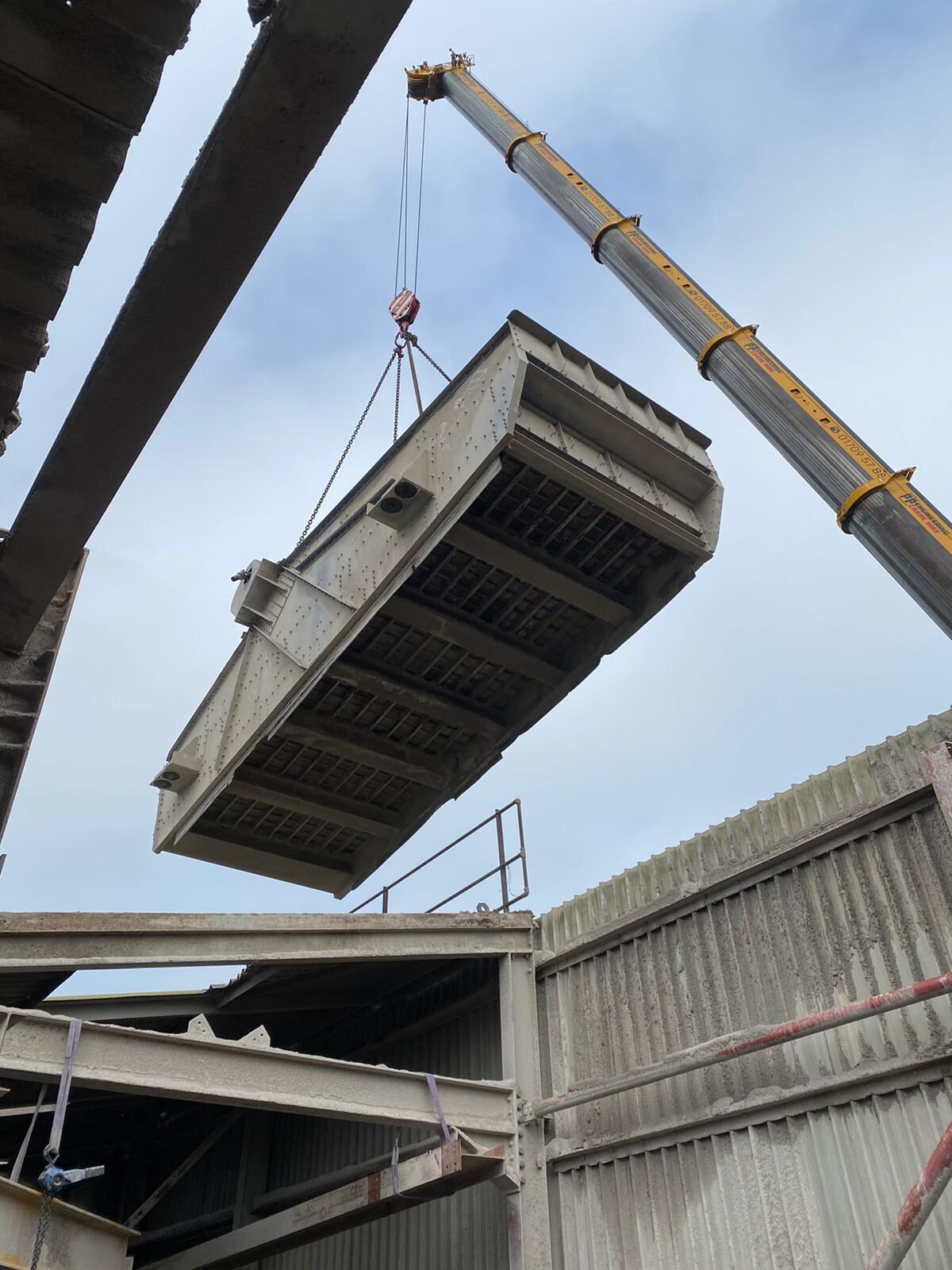
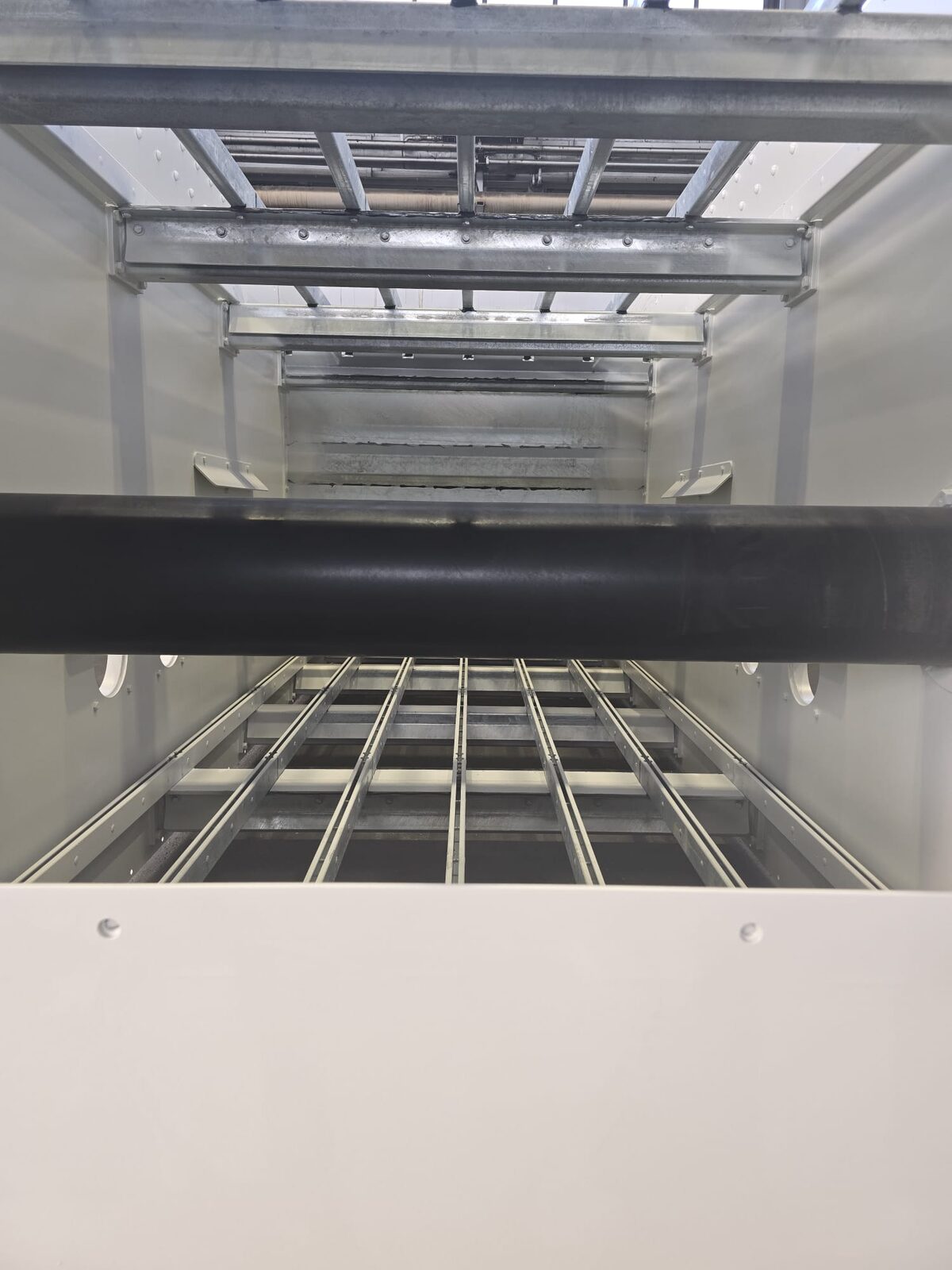
The screen surface is a set of elastic polyurethane mats stretched between cross-beams that move in opposite directions. As the machine runs, the mats flex, which throws material clear of the apertures instead of letting it peg in and blind the deck. Underneath, the alternating beams and drive shafts are what create that movement.
Proof in the sample
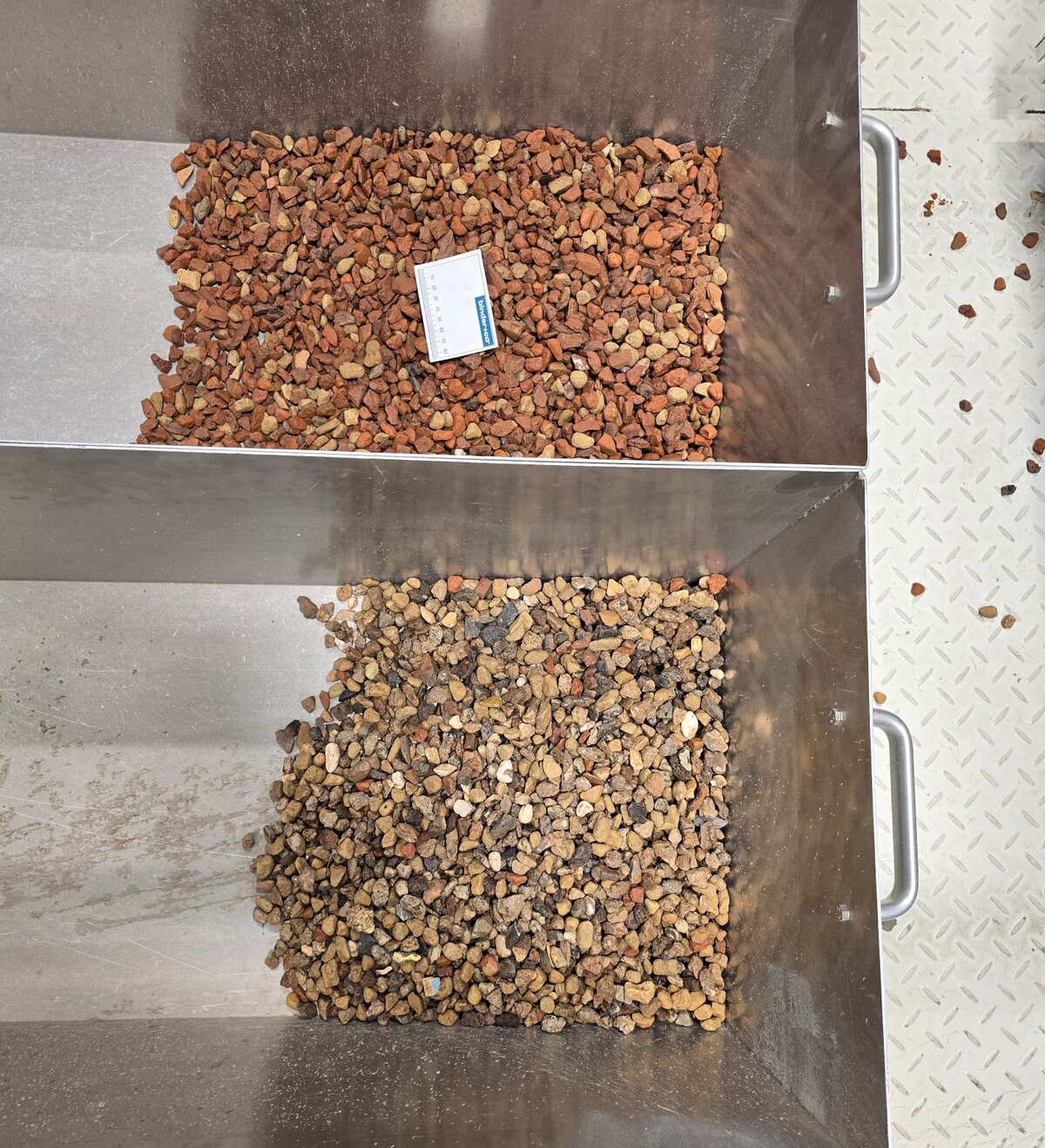
The part that matters most to a client is not the machine, it is what comes out of it. In the test lab we saw real separations: mixed metal granulate split into clean copper and aluminium, and aggregate screened into tight, graded fractions.
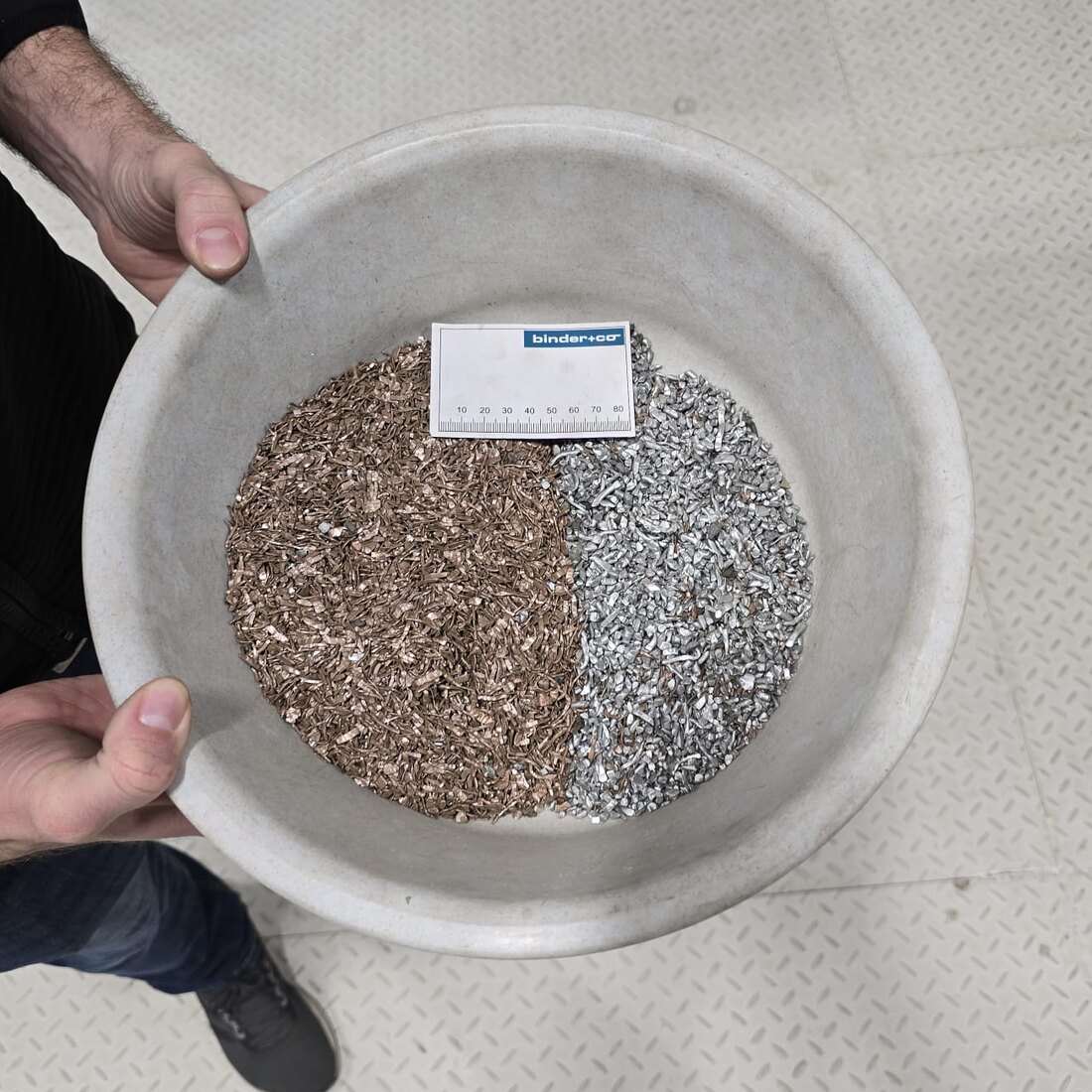
That is the conversation we have with operators all the time: take a stream you currently pay to dispose of, and turn it into a clean product you can sell. Seeing it done on test material, with the grade measured against a card, is the proof behind that pitch.
From build to working plant
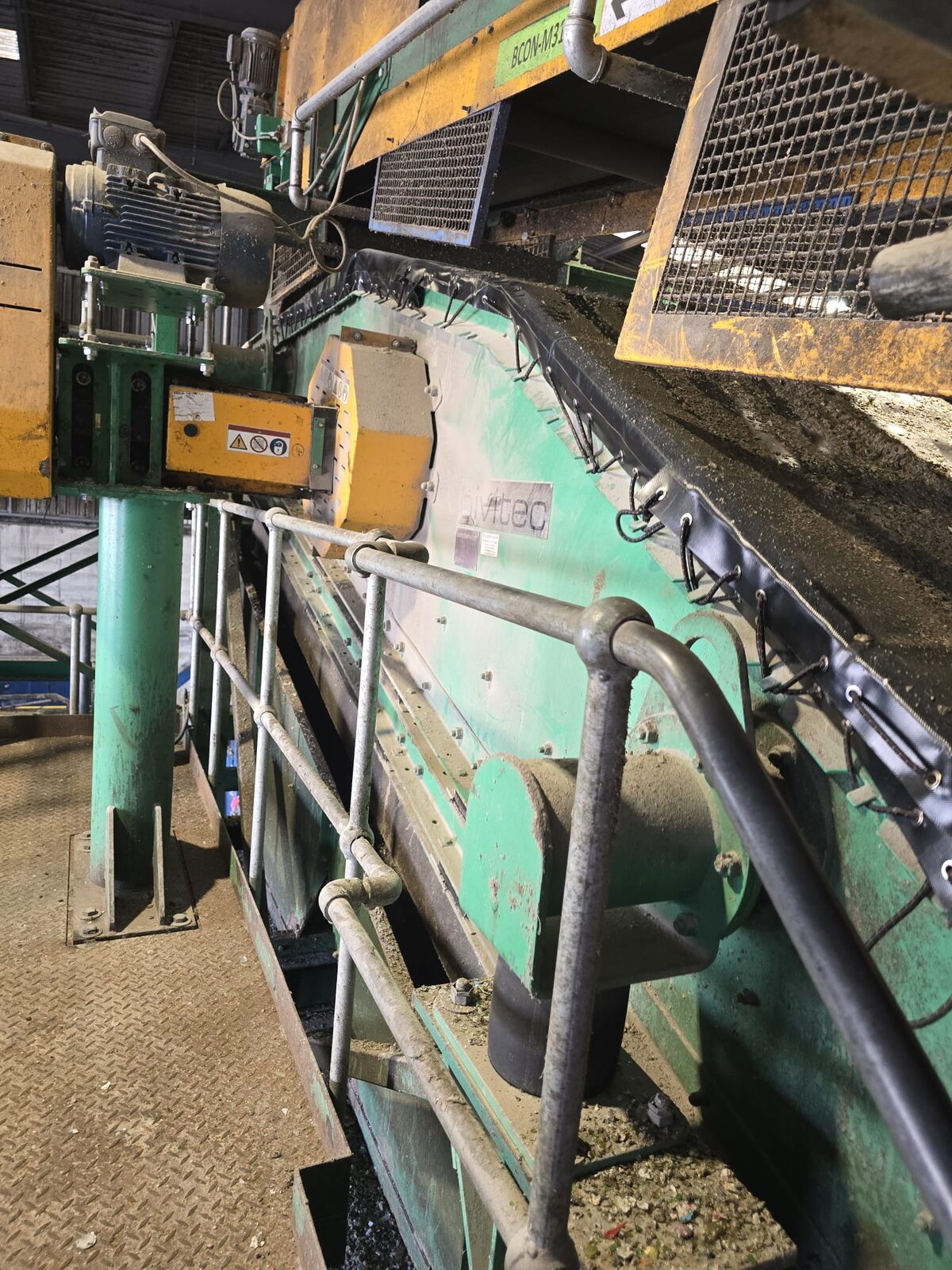
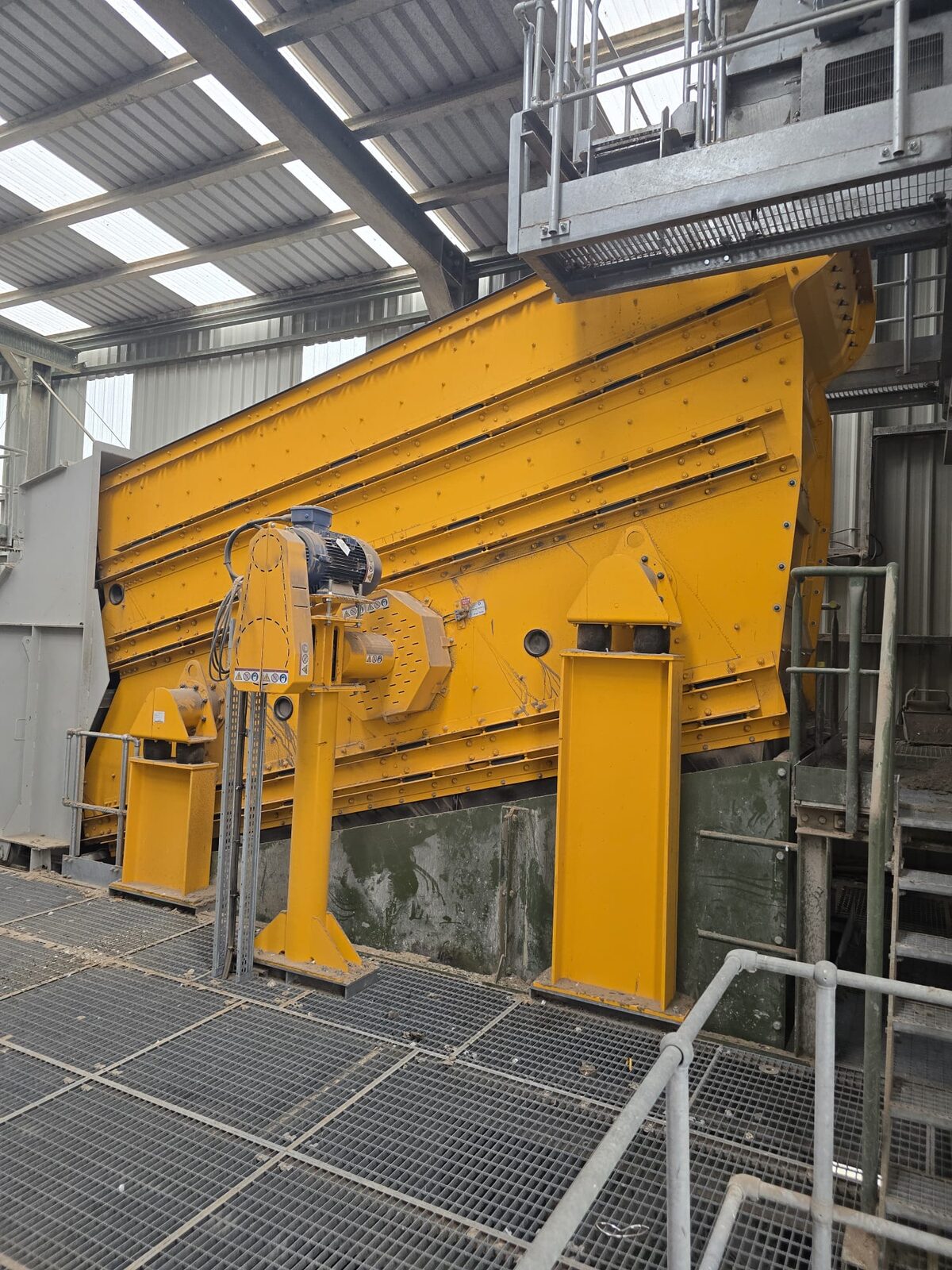
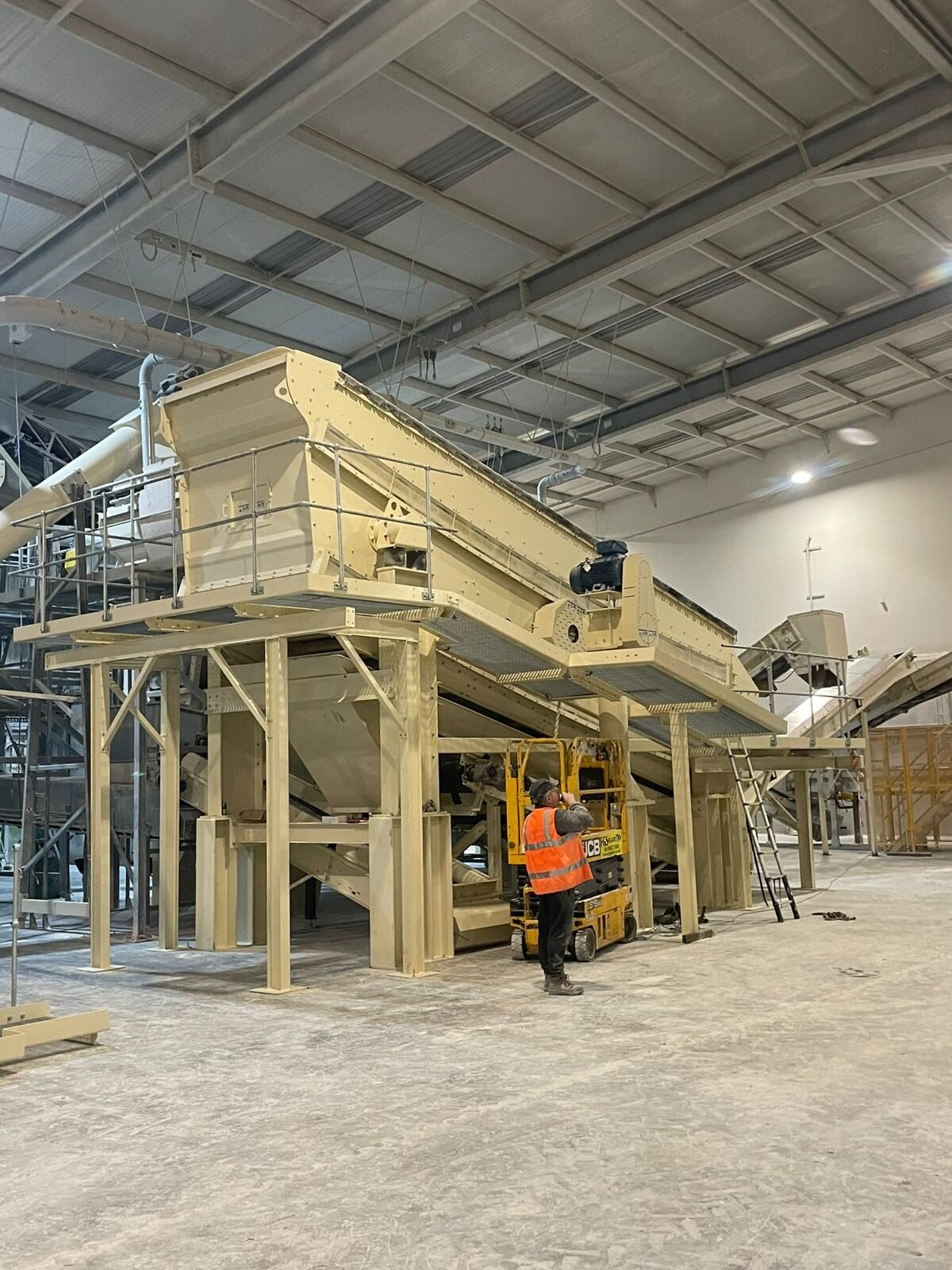
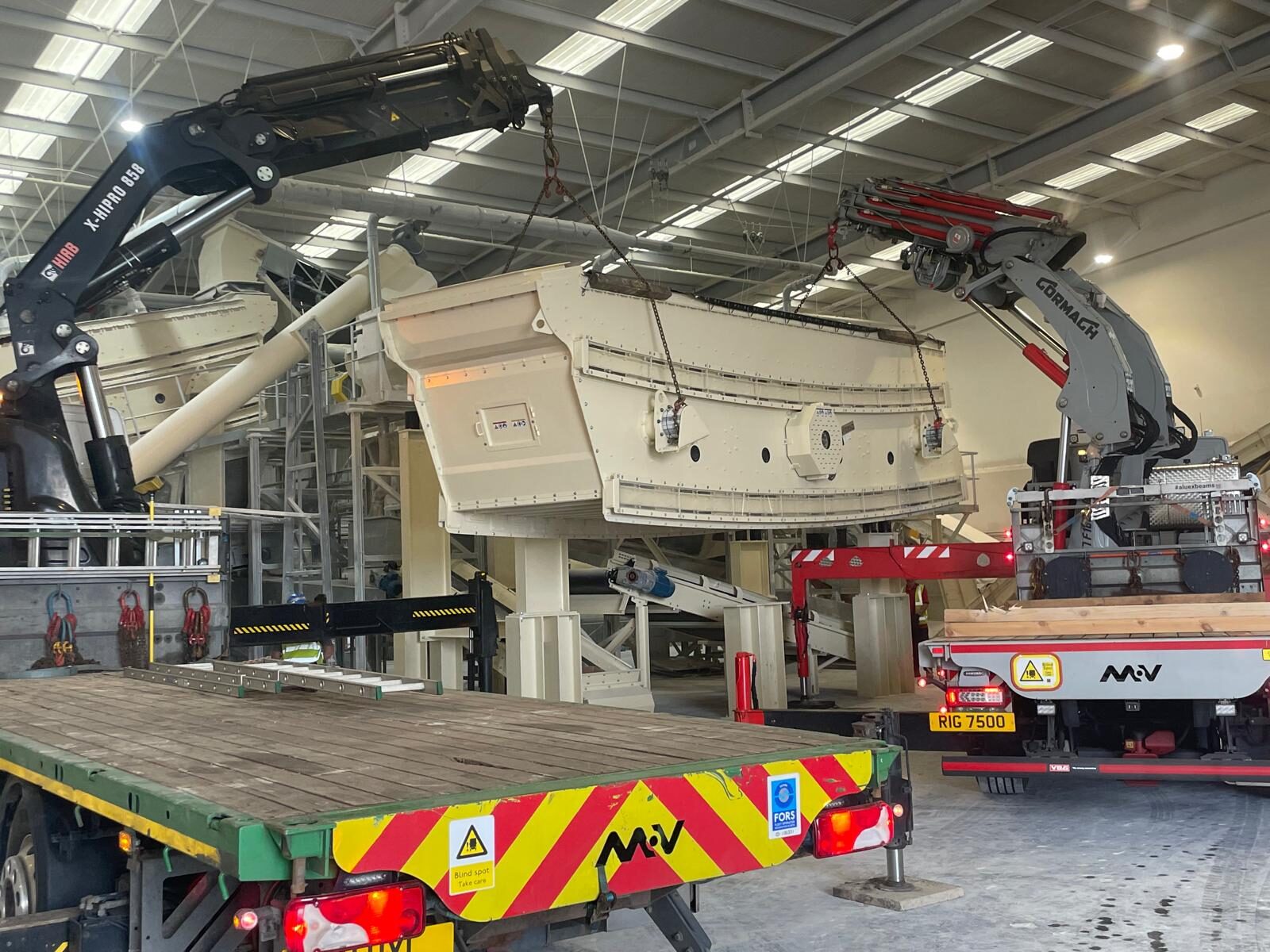
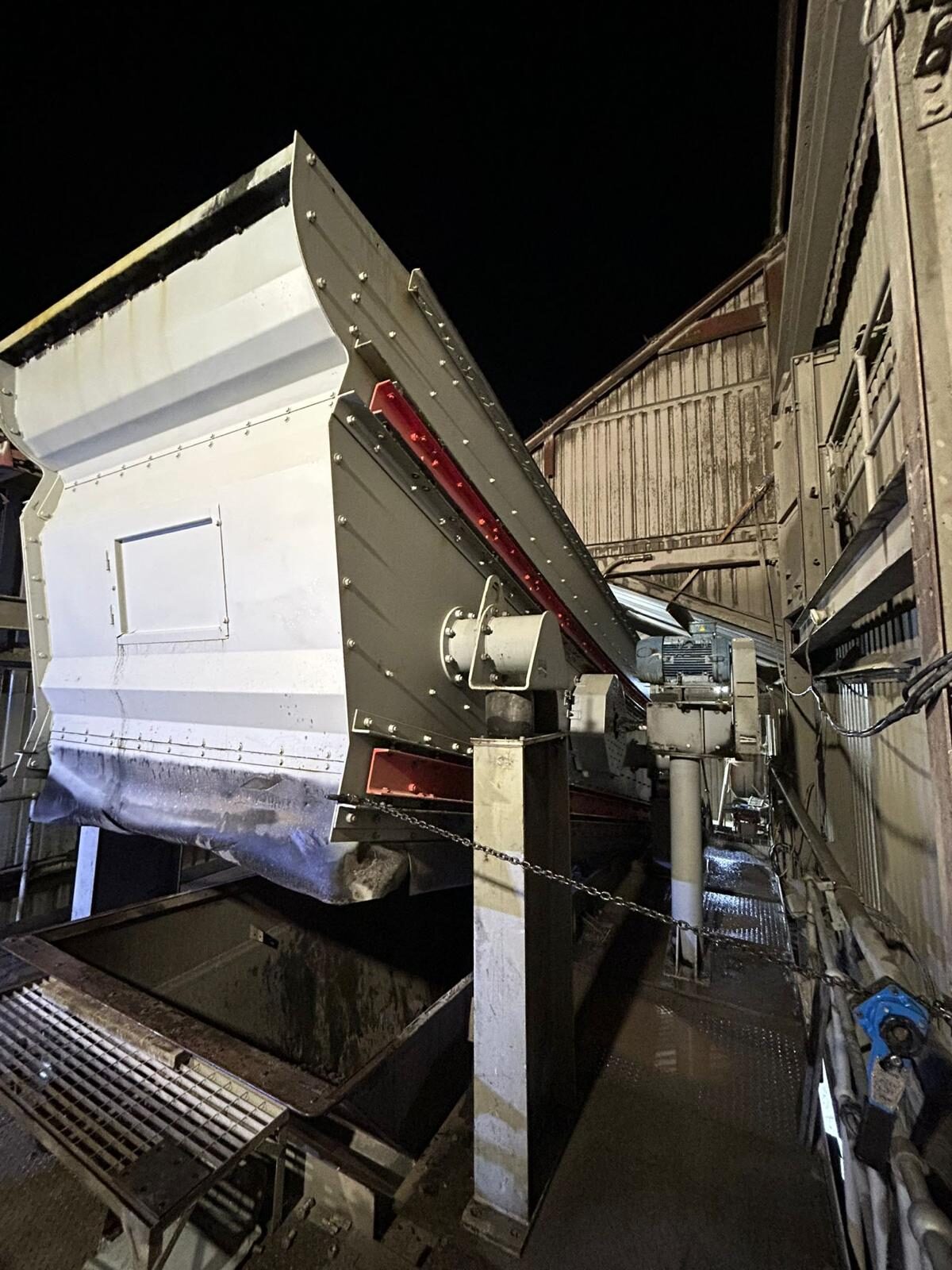
Beyond the factory, we saw the same machines installed and running on real material, screening at full feed in working plants. That full picture, from a bare frame to a screen earning its keep on site, is exactly what we manage for clients: sourcing the right equipment, then handling delivery, installation and training.
If you have a material that is hard to screen, or a stream you would rather recover than bury, that is the conversation worth having. We have now seen, first hand, what the equipment behind it can do.
From the visit
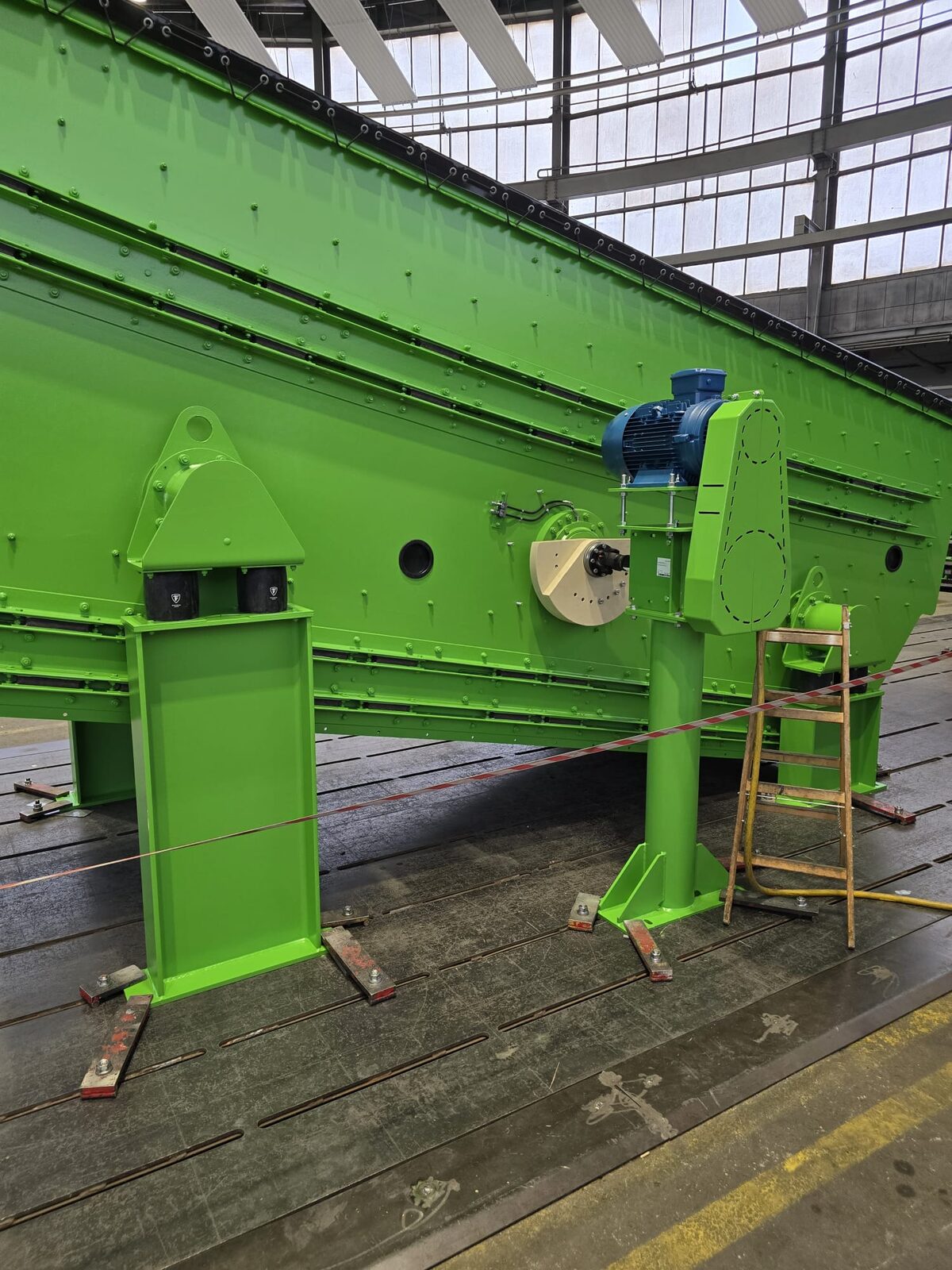
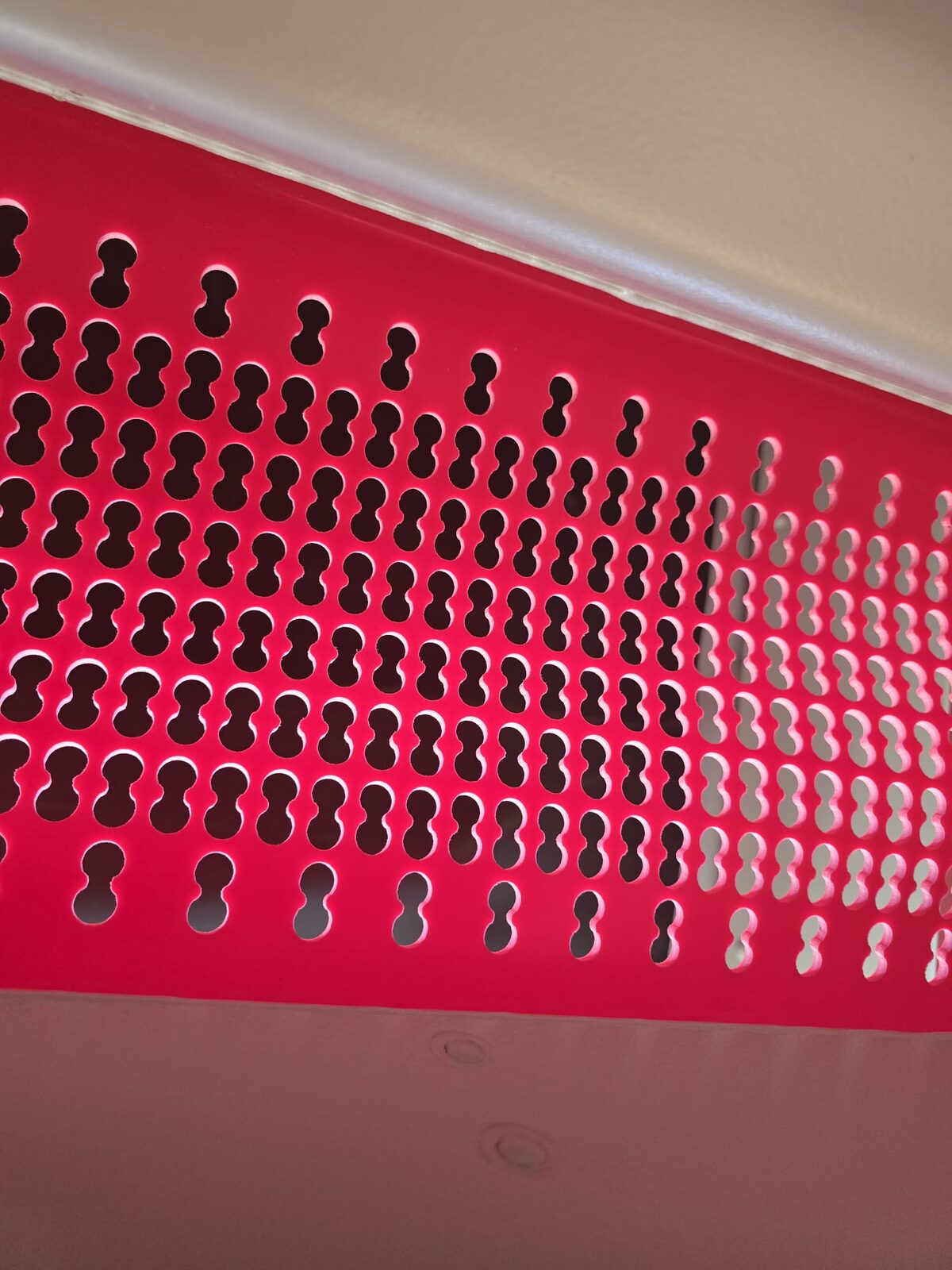
More from our day with Binder+Co, from the build floor to machines running on site.
More insights
15 June 2026
Turning landfill costs into recovered value
Disposal is a cost. Recovery can be a revenue line. The difference is usually the right piece of equipment.
10 June 2026
Recycling food and green waste: composting and anaerobic digestion
Thousands of tonnes of organic waste are thrown away every year. Most of it could be recovered.
5 June 2026
Why flip-flow screening handles what other screens cannot
Damp, sticky and clay-bound feeds blind conventional screens. A flip-flow action keeps the deck clear.